Interactive Learning for Kids
Modern education is changing quickly, and interactive learning for kids has become one of the most effective teaching methods. It improves creativity, memory, and engagement. Children learn faster when education includes games, music, storytelling, visual activities, and hands-on experiences. Interactive learning makes classrooms more enjoyable and helps students build important cognitive and emotional skills.
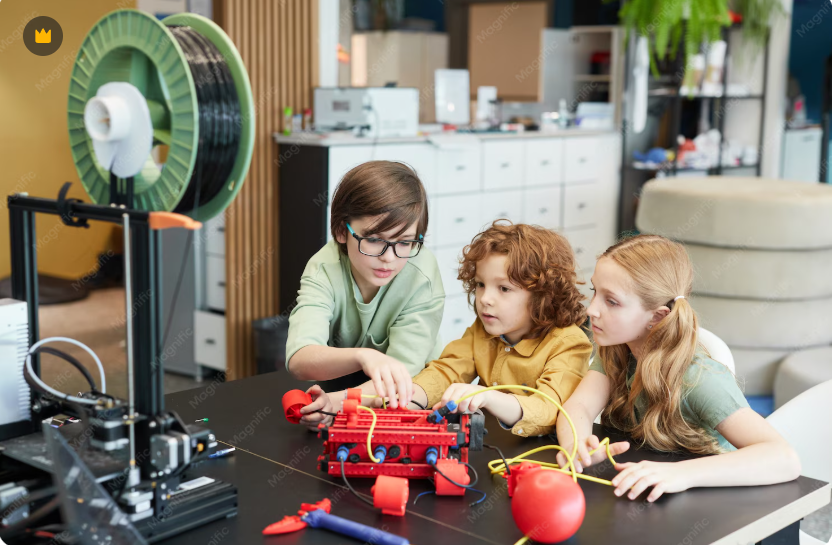
Traditional learning methods often focus only on memorization. In contrast, interactive education encourages children to take an active role in the learning process. This creates a fun and brain-friendly environment, where students stay motivated and curious.
Why Interactive Learning is Important
Interactive education boosts both academic performance and personal growth. Children who take part in creative learning activities usually show better focus, confidence, and communication skills.
Major Benefits:
- Improves memory retention
- Boosts creativity and imagination
- Increases classroom participation
- Develops emotional intelligence
- Makes learning enjoyable and engaging
Interactive learning also helps children grasp complex concepts more easily through visual and practical experiences.
Creative Learning Techniques for Children
Schools and educational platforms are now using modern techniques to make learning more effective. These methods mix creativity with brain-based education systems.
Popular Interactive Learning Methods:
- Music and rhythm activities
- Art and drawing exercises
- Educational games
- Storytelling techniques
- Visual learning methods
- Group activities and collaboration
These activities encourage children to think creatively while also improving social interaction and problem-solving skills.
The Future of Education
Educational neuroscience and interactive learning are shaping the future of modern education. Parents and teachers are becoming more aware of how important it is to create engaging learning environments for children.
Technology, educational games, and arts-based learning systems continue to change how students learn and interact with educational content. This approach supports long-term growth and helps children become more confident learners.
Conclusion
The significance of interactive learning for kids keeps growing. Educators are focusing on creative and brain-friendly teaching methods. By combining music, art, games, and interactive activities, children can develop stronger learning abilities, confidence, and emotional growth in a fun educational setting.


Comments
Post a Comment