Brain Friendly Education for Better Student Engagement
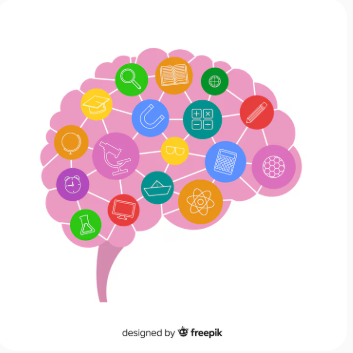
Modern classrooms are evolving rapidly, and educators are now focusing on teaching methods that improve student understanding, creativity, and emotional connection with learning. Brain Friendly Education helps create a positive learning environment where students feel motivated, engaged, and confident during classroom activities. This approach focuses on how the human brain naturally learns by combining creativity, movement, interaction, storytelling, and emotional safety. Students who learn in supportive environments often show better concentration, stronger memory retention, and improved academic performance.
Importance of Positive Learning Environments
A supportive classroom atmosphere plays a major role in student development. Teachers who encourage participation, collaboration, and creativity help students become active learners. Positive interactions and engaging activities reduce stress and allow children to absorb information more effectively.
Creative Teaching Methods
Creative teaching strategies such as music, art, role play, group activities, and storytelling improve student participation and classroom engagement. Interactive learning experiences make lessons more enjoyable while helping students understand concepts in a practical and memorable way.
Emotional Connection in Learning
Students perform better when they feel emotionally safe and valued. Encouraging curiosity, confidence, and open communication creates stronger relationships between teachers and learners. Emotional support also improves critical thinking and problem-solving skills.
Benefits of Interactive Education
Interactive education encourages teamwork, communication, and hands-on learning. Activities that involve movement and collaboration help students remain focused and motivated throughout the learning process. These methods also improve creativity and independent thinking.
Role of Modern Educational Techniques
Modern education focuses on developing both academic and personal skills. Technology integration, experiential learning, and student-centered teaching methods support long-term learning success. Innovative educational practices prepare students for future challenges while improving classroom participation.
Future of Student Learning
The future of education depends on creating engaging and meaningful learning experiences for students. Schools and educators are increasingly adopting innovative teaching methods that support creativity, emotional development, and practical understanding. Learning environments that encourage participation and exploration can significantly improve student growth and academic achievement.
Conclusion
Educational methods that focus on creativity, emotional safety, and interactive experiences are transforming modern classrooms. These approaches help students become more confident, engaged, and motivated learners. Schools that adopt Brain Friendly Education create stronger learning environments that support both academic success and personal development.


Comments
Post a Comment